
Shopping has changed dramatically with the growth of the internet. A few years ago, buying something usually meant visiting a physical store, looking at different products, comparing prices, and then making a purchase. Today, the entire process can happen from a smartphone in just a few minutes.
This change has created a huge opportunity for online businesses, but it has also created strong competition. Opening an online store is only the beginning. A business also needs to make people discover its products, understand what it offers, trust the brand, and feel comfortable completing a purchase.
This is where E-commerce Marketing becomes important.
E-commerce marketing refers to the strategies and activities businesses use to promote their online stores and products, attract potential customers, encourage purchases, and build long-term relationships with buyers. It combines different areas of digital marketing to create a complete online shopping journey.
What Is E-commerce Marketing?
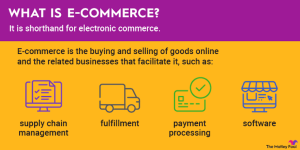
E-commerce marketing is the process of promoting products or services through digital channels with the goal of attracting customers and generating online sales.
An e-commerce business can use websites, social media, email, online advertising, content, influencer partnerships, and other digital channels to reach potential customers.
The process does not necessarily begin when someone visits the product page. It may begin much earlier.
For example, a person might see a product video on social media, visit the brand’s website later, read product information, compare the item with alternatives, and finally purchase it after receiving a promotional email.
All of these interactions can form part of the wider e-commerce marketing journey.
Why E-commerce Marketing Is Important
Having a good product does not automatically guarantee online sales.
There are millions of products available on the internet, and customers have many options to choose from. A new online store may have difficulty attracting attention if people do not know that it exists.
E-commerce marketing helps businesses communicate their products to the right audience.
It can also help a business understand what customers are interested in, which products receive attention, which campaigns generate sales, and where potential customers leave the buying process.
This information can help businesses improve their marketing strategy over time.
Understanding the E-commerce Customer Journey
Online shopping is rarely a single-step process.
A customer may move through several stages before making a purchase.
The first stage is awareness, where a person discovers a brand or product.
Next comes interest, where the person wants to learn more.
The customer may then compare products, read reviews, check prices, examine features, or look for offers.
After gaining enough confidence, the person may make a purchase.
The relationship does not have to end there. After the purchase, the business can continue communicating with the customer and encourage future engagement.
Understanding this journey helps e-commerce businesses create different types of content and communication for different stages.
Social Media and E-commerce
Social media has become an important channel for online businesses.
Platforms allow brands to display products, demonstrate their uses, share customer experiences, introduce new collections, and communicate directly with their audience.
Visual platforms can be especially useful for businesses selling fashion, beauty products, home décor, food, accessories, and other visually appealing products.
However, successful social media marketing is not simply about posting product photos every day.
People usually want content that is interesting, useful, entertaining, or informative.
A business can combine product-focused posts with tutorials, styling ideas, educational content, behind-the-scenes material, customer stories, and other relevant content.
This can make the brand’s social presence feel more natural instead of turning every post into an advertisement.
Product Pages Matter
Marketing may bring visitors to an online store, but the product page plays an important role in helping them make a decision.
A good product page should provide clear and useful information.
Product images should show the item properly. Descriptions should explain important features without unnecessary complexity. Pricing, available options, delivery information, and other relevant details should be easy to find.
Customer reviews can also provide additional information for people considering a purchase.
If a visitor cannot understand what a product is, how it works, or what they will receive, they may leave the website without purchasing.
Therefore, e-commerce marketing is not only about attracting visitors. It is also about giving those visitors enough useful information to make an informed decision.
The Role of Content in E-commerce
Content can support an online store in many ways.
A clothing business might create styling guides. A skincare brand might publish educational content about skincare routines. A technology store might create comparison articles explaining different devices.
This type of content can help potential customers understand products before they purchase them.
Content can also give a brand a personality.
Instead of communicating only through product listings, a business can use articles, videos, guides, and social media posts to explain what it knows and what it stands for.
Useful content can therefore become part of both customer education and brand building.
Email Marketing for Online Stores
Email marketing can help e-commerce businesses maintain communication with customers and subscribers.
A business can send welcome emails, product announcements, newsletters, offers, updates, and other relevant messages to people who have chosen to receive communication.
Email can also be used after a purchase.
For example, a business may send order-related information, product-care guidance, or other useful communication.
The important thing is to avoid sending unnecessary messages too frequently. People are more likely to remain engaged when the emails they receive are relevant and useful.
Personalization in E-commerce
Not every customer has the same interests.
A person who regularly purchases sports products may not be interested in the same recommendations as someone who frequently shops for home décor.
E-commerce businesses can use customer and browsing information, where appropriate and permitted, to make their communication and recommendations more relevant.
Personalization can appear in product recommendations, email content, website experiences, and promotional communication.
However, businesses should use customer information responsibly and respect privacy. Personalization should make shopping easier rather than make customers uncomfortable.
Online Advertising for E-commerce
Paid advertising can help online businesses reach potential customers more quickly.
E-commerce brands may use different forms of online advertising to promote products to relevant audiences.
An advertisement can introduce a product to someone who has never heard of the brand, while another campaign may focus on people who have already interacted with the business.
The effectiveness of an advertising campaign depends on several factors, including audience selection, creative quality, product relevance, pricing, landing-page experience, and campaign objectives.
Simply spending more money does not automatically create better results.
Customer Reviews and Social Proof
When shopping online, customers cannot physically examine a product before purchasing it.
This creates uncertainty.
Reviews, ratings, testimonials, demonstrations, and other forms of social proof can help people understand the experiences of previous customers.
Honest reviews can provide information that a product description alone may not communicate.
Businesses should avoid manipulating reviews or presenting misleading information. Trust can be difficult to build and easy to damage.
Authentic customer experiences can therefore become an important part of an e-commerce brand’s online presence.
Improving the Shopping Experience
Marketing does not end when a customer reaches the checkout page.
The overall shopping experience can influence whether someone completes a purchase and whether they return later.
A complicated website, confusing navigation, unclear product information, unexpected costs, or a difficult checkout process can create unnecessary obstacles.
E-commerce businesses should therefore think about the complete customer experience.
The website should be easy to navigate, product information should be understandable, and the checkout process should be as clear as possible.
Mobile experience is also important because many customers browse and shop through smartphones.
Retaining Existing Customers
Getting a new customer is only one part of building an online business.
Existing customers can also be important because they already have experience with the brand.
Businesses can maintain relationships through useful email communication, loyalty programs, relevant product recommendations, customer support, and thoughtful post-purchase communication.
Customer retention should not mean constantly pushing new products.
Sometimes helpful information, good service, and a smooth experience can contribute more to long-term relationships than repeated promotional messages.
Measuring E-commerce Marketing Performance
Digital marketing gives businesses access to a wide range of performance information.
E-commerce marketers may examine website traffic, product views, add-to-cart activity, purchases, conversion rates, average order value, repeat purchases, advertising performance, and other indicators.
These numbers help businesses understand what is happening in their online store.
For example, if many people view a product but very few purchase it, the business may need to examine factors such as pricing, product information, customer reviews, shipping costs, or the checkout experience.
Analytics can therefore help turn assumptions into more informed decisions.
Common E-commerce Marketing Mistakes
One common mistake is focusing only on attracting new visitors while ignoring the experience of people already on the website.
Another is relying too heavily on discounts. Constant discounts may train customers to wait for lower prices and can make it difficult for a brand to communicate value beyond price.
Poor product descriptions, low-quality images, slow websites, complicated navigation, and unclear policies can also create problems.
Another mistake is trying to use every digital platform at once.
A business does not necessarily need to be everywhere. It is often more useful to understand where its target audience spends time and build a strong presence on relevant channels.
The Future of E-commerce Marketing
E-commerce marketing will continue to evolve as technology, customer expectations, and online shopping habits change.
Artificial Intelligence, personalization, social commerce, automation, video content, mobile shopping, and improved analytics are already influencing how online businesses communicate with customers.
Customers are also becoming more informed. They can compare prices, read reviews, watch product demonstrations, and explore alternatives before making a decision.
This means e-commerce businesses will need to focus not only on promotion but also on trust, customer experience, useful information, and genuine value.
The future of e-commerce marketing will be about creating a smoother connection between discovering a product and confidently deciding whether it is right for the customer.
Conclusion
E-commerce marketing is much more than advertising products online. It is a complete process that includes attracting potential customers, presenting products clearly, building trust, creating useful content, improving the shopping experience, and maintaining relationships after a purchase.
Social media, email marketing, online advertising, content, customer reviews, personalization, and analytics can all contribute to an effective e-commerce strategy.
However, no single technique guarantees success. Different businesses have different audiences, products, budgets, and goals.
The strongest approach is to understand the customer journey and build a marketing experience around genuine customer needs.
As online shopping continues to grow, businesses will have more opportunities to reach customers digitally. At the same time, competition will continue to increase. E-commerce brands that focus on useful communication, trustworthy information, smooth shopping experiences, and long-term customer relationships can create a stronger foundation for sustainable online growth.
Frequently Asked Questions
1. What is e-commerce marketing?
E-commerce marketing is the process of promoting an online store and its products through digital channels to attract customers, encourage purchases, and build long-term customer relationships.
2. Which channels are commonly used for e-commerce marketing?
Businesses may use social media, email marketing, content marketing, online advertising, influencer partnerships, websites, and other digital channels depending on their audience and goals.
3. Why are product pages important in e-commerce?
Product pages provide customers with important information such as features, images, pricing, options, and other details that can help them make an informed purchasing decision.
4. How does social media help e-commerce businesses?
Social media can help businesses showcase products, communicate with audiences, share useful content, introduce new products, and build awareness around their brand.
5. Why are customer reviews important for online stores?
Reviews can provide potential customers with additional information about other people’s experiences and can help reduce uncertainty when considering an online purchase.
6. How can an e-commerce business improve customer retention?
Businesses can focus on good customer service, smooth shopping experiences, relevant communication, useful post-purchase support, loyalty initiatives, and products that genuinely meet customer needs.