
The way people discover brands has changed a lot with the growth of social media. Earlier, businesses mainly depended on newspapers, television, billboards, and traditional advertisements to introduce their products. Today, a person can discover a new brand while watching a short video, scrolling through social media, following a creator, or simply watching someone share their experience with a product.
This change has created a powerful opportunity for businesses: Influencer Marketing.
Influencer marketing is a digital marketing strategy in which businesses collaborate with individuals who have an established audience on social media or other online platforms. These individuals, commonly called influencers or creators, can introduce products, services, or brands to their audience through content that fits their usual style.
What makes influencer marketing different from a traditional advertisement is the relationship between the creator and their audience. People often follow creators because they find their content interesting, useful, entertaining, or relatable. Because of this existing connection, a brand recommendation can sometimes feel more natural than a conventional advertisement.
However, successful influencer marketing is not simply about choosing someone with a large number of followers. The right partnership depends on relevance, audience quality, communication, creativity, and trust.
What Is Influencer Marketing?
Influencer marketing is a form of digital marketing where a business partners with a creator or influential individual to promote its products or services to an audience.
Influencers can create different types of promotional content depending on the platform and campaign. They may publish videos, photographs, tutorials, reviews, stories, live sessions, demonstrations, or other forms of content.
The creator introduces the brand to their audience while the business benefits from the creator’s reach and communication style.
The collaboration can have different objectives. A business may want to increase brand awareness, introduce a new product, generate website visits, encourage sales, reach a particular audience, or simply create engaging content.
The important part is that the creator and the brand should have a logical connection.
Why Influencer Marketing Has Become Important
Social media has made communication more personal and interactive.
Instead of only seeing advertisements created by companies, people can now watch creators explain products, demonstrate how something works, share their experiences, or discuss topics they understand well.
This has changed the way brands approach online promotion.
A company selling fitness accessories, for example, may collaborate with a creator whose content focuses on fitness and lifestyle. A beauty brand may work with a creator who regularly creates beauty-related content.
The creator already communicates with an audience interested in that subject, making the partnership more relevant.
Influencer marketing therefore gives businesses an opportunity to reach people through content that already exists within a particular online community.
Different Types of Influencers
Not every influencer has millions of followers. In fact, influencers can generally be grouped according to the size and nature of their audience.
Nano Influencers
Nano influencers usually have smaller but highly focused communities.
Their audiences may be limited in size, but the creator may have strong interaction with followers because the community is relatively close.
For small businesses or niche products, a smaller but relevant audience can sometimes be more useful than a very large general audience.
Micro Influencers
Micro influencers have a larger audience than nano influencers but still tend to focus on particular interests or communities.
They may create content around fashion, technology, food, education, travel, beauty, fitness, or other specific subjects.
Their focused content can make them useful for brands targeting particular customer groups.
Macro Influencers
Macro influencers have considerably larger audiences and can provide broader exposure.
They may work across larger campaigns and reach people from different locations and backgrounds.
However, larger reach does not automatically mean better results. A business still needs to consider whether the audience is relevant to its product.
Celebrity Influencers
Celebrities can have extremely large audiences and strong public recognition.
Businesses may collaborate with celebrities when they want broad awareness or when the celebrity’s public image has a strong connection with the brand.
Such campaigns can involve significant investment, so businesses generally need clear objectives and planning.
Choosing the Right Influencer
One of the most important steps in influencer marketing is selecting the right creator.
Follower count is only one factor.
A business should consider whether the creator’s content matches the brand and whether their audience is relevant to the product or service.
Engagement is another useful factor. A creator with a smaller audience may receive meaningful interaction, while a larger account may not necessarily generate the same level of audience response.
The quality of content also matters.
Businesses should look at the creator’s previous work, communication style, consistency, and the type of relationship they appear to have with their audience.
The right influencer should feel like a natural fit rather than a random promotional choice.
The Importance of Audience Relevance
Imagine a company selling professional photography equipment.
Working with a creator who regularly discusses photography may make sense because their audience is likely to include people interested in cameras and photography tools.
Now imagine promoting the same product through a creator whose content is completely unrelated.
Even if that creator has a huge following, many viewers may have little interest in the product.
This shows why audience relevance can be more meaningful than follower numbers alone.
The objective should be to reach people who are genuinely connected to the product or service.
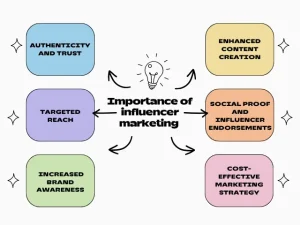
Types of Influencer Marketing Content
Influencer marketing can take many forms.
A creator might publish a product review explaining their experience and discussing important features.
Another creator might create a tutorial showing how to use the product.
Short videos can demonstrate a product quickly, while longer videos can provide more detailed information.
Stories can be used for announcements, product links, behind-the-scenes content, or limited campaigns.
Some brands may also collaborate with creators to produce content that focuses more on awareness than direct selling.
The format should depend on the campaign objective, audience, platform, and creator’s usual style.
Authenticity in Influencer Marketing
Authenticity is one of the most important elements of influencer marketing.
Audiences can often recognize when a promotion feels unnatural.
If a creator suddenly promotes a product that has no connection to anything they normally discuss, followers may question the recommendation.
This does not mean every influencer promotion must be completely informal. Professional sponsored content can still feel authentic when the product is relevant and the creator communicates about it naturally.
Creators should also provide appropriate disclosure when content involves a paid partnership, affiliate relationship, or other commercial connection, according to applicable rules and platform requirements.
Transparency helps audiences understand the nature of the relationship.
Benefits of Influencer Marketing for Businesses
Influencer marketing can offer several potential benefits.
First, it can help businesses increase brand awareness by introducing a product to an existing audience.
Second, it can help brands reach specific communities rather than communicating with a completely general audience.
Third, creator content can sometimes make a product easier to understand because the influencer demonstrates or explains it in a practical way.
Influencer partnerships can also generate content that a business may be able to use as part of its wider marketing strategy, subject to the agreed terms.
Most importantly, influencer marketing can help brands participate in conversations that are already happening within relevant online communities.
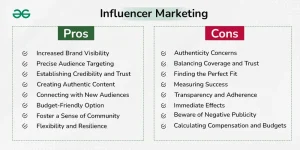
Influencer Marketing for Small Businesses
Influencer marketing is not limited to large companies.
Small businesses can also work with smaller creators whose audiences are closely connected to their products.
For example, a local fashion business might collaborate with a local lifestyle creator. A small food brand might work with food-focused creators in its target area.
Smaller collaborations can sometimes be easier to manage and may provide a more focused audience.
The key is to set realistic goals and choose creators based on relevance rather than simply trying to work with the biggest account available.
Measuring Influencer Marketing Campaigns
A campaign should have a clear objective before it begins.
If the goal is brand awareness, a business may examine reach, impressions, views, and engagement.
If the goal is website traffic, clicks and visits may be more relevant.
If the goal is sales, the business may track purchases or other defined conversions using suitable tracking methods.
Unique links, promotional codes, campaign landing pages, or platform analytics can sometimes help measure results.
Without measurement, it becomes difficult to understand whether the collaboration achieved what the business intended.
Common Influencer Marketing Mistakes
One common mistake is choosing an influencer only because they have a large number of followers.
Another is giving the creator a completely scripted message that does not match their normal communication style.
Overly promotional content can also reduce audience interest.
Businesses may also make the mistake of starting a campaign without clearly defining its objective, budget, deliverables, timeline, and expectations.
Creators, on the other hand, may damage audience trust by promoting products they do not genuinely understand or by failing to disclose commercial relationships appropriately.
Good communication between the brand and creator can prevent many of these problems.
The Future of Influencer Marketing
Influencer marketing is likely to continue changing as social media platforms and creator communities develop.
Short-form video, live content, niche communities, and creator-led brands are already influencing how people discover products.
Businesses may increasingly focus on long-term creator relationships rather than one-time promotional posts.
This can allow creators to become more familiar with the brand and communicate about its products in a more natural way.
At the same time, audiences are becoming more aware of sponsored content. This means transparency, relevance, and authenticity will remain important.
The future of influencer marketing will not simply be about finding the person with the largest audience. It will be about finding the right person, with the right community, for the right message.
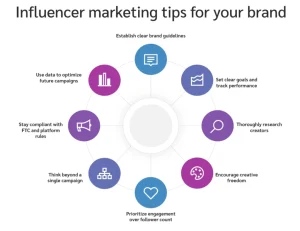
Conclusion
Influencer marketing has become an important part of digital marketing because it allows brands to connect with audiences through creators and online communities that people already follow.
Its effectiveness depends on much more than follower count. Audience relevance, content quality, authenticity, engagement, transparency, and clear campaign objectives all play important roles.
For businesses, influencer marketing can provide an opportunity to increase awareness, reach specific audiences, showcase products, and create engaging content. For creators, it can provide opportunities to collaborate with brands that genuinely fit their content and audience.
However, influencer marketing works best when the relationship feels natural. A successful campaign should not make the audience feel that they are simply being pushed toward a product. Instead, the content should provide a clear reason for the recommendation and communicate honestly.
As digital platforms continue to evolve, influencer marketing will also change. The creators, formats, and platforms may be different in the future, but the basic idea will remain: people connect with people, and brands can become more relatable when they communicate through trusted and relevant voices.
Frequently Asked Questions
1. What is influencer marketing?
Influencer marketing is a digital marketing strategy in which a business collaborates with a creator or influential individual to promote its products or services to an established audience.
2. Is influencer marketing only useful for large brands?
No. Small and medium-sized businesses can also work with relevant creators, particularly those who have focused audiences connected to the business’s products or services.
3. Is follower count the most important factor when choosing an influencer?
No. Audience relevance, engagement, content quality, authenticity, and the creator’s connection with the target audience can also be important when selecting an influencer.
4. What types of content can influencers create?
Influencers can create reviews, tutorials, short videos, stories, demonstrations, photographs, live content, educational posts, and other formats depending on the campaign and platform.
5. Why is authenticity important in influencer marketing?
Authentic and relevant recommendations can feel more natural to an audience. Promotions that do not match a creator’s usual content may appear forced and can affect audience trust.
6. How can businesses measure an influencer marketing campaign?
Businesses can measure different results depending on their objective, including reach, impressions, engagement, clicks, website visits, leads, sales, or other defined conversions.