
The way businesses communicate with customers has changed dramatically. A few years ago, companies depended heavily on newspapers, television, posters, phone calls, and other traditional forms of promotion. Today, a large part of that communication happens online. People discover brands through websites, social media, search engines, videos, and, surprisingly, something as simple as an email.
Email may look like an old digital communication channel compared with newer platforms, but it continues to have an important place in digital marketing. The reason is simple: an email gives a business a direct way to communicate with people who have chosen to hear from it.
Email marketing is the practice of using email to communicate with an audience for purposes such as sharing information, promoting products or services, nurturing potential customers, building relationships, and encouraging repeat business. Unlike a random promotional message, effective email marketing is based on understanding the audience and sending information that is genuinely relevant to them.
Email Marketing Is More Than Sending Promotional Emails
When people hear the term email marketing, they often imagine an inbox filled with advertisements. In reality, good email marketing is much broader.
A business can use email to welcome a new subscriber, introduce its brand, share useful information, announce a new service, provide an update, recommend a product, invite people to an event, or reconnect with an inactive customer.
The difference between useful email marketing and annoying email marketing usually comes down to relevance. People are more likely to pay attention when an email feels like it was created for their interests rather than sent to everyone on a list.
This is why successful email marketing starts with the audience, not the “Send” button.
Why Email Marketing Still Matters
Digital platforms are constantly changing. Social media trends come and go, algorithms change, and the way people discover content continues to evolve. Email provides businesses with a more direct communication channel because messages can be delivered to subscribers who have voluntarily joined an email list.
This makes email particularly useful for maintaining relationships.
Imagine someone visits a website but does not purchase anything. That does not necessarily mean the person will never become a customer. They may simply need more information or time to make a decision. If they have subscribed to the business’s emails, the brand can continue providing useful information and remain connected with that person.
Email can therefore help businesses move beyond one-time interactions and build longer-term relationships.
Building a Quality Email List
A successful email strategy begins with a good-quality audience.
Having thousands of random email addresses may look impressive, but numbers alone do not create a successful campaign. What matters more is whether subscribers are genuinely interested in receiving communication from the business.
Businesses can build an email list through website signup forms, newsletters, useful downloadable resources, registrations, product updates, and other permission-based methods.
A healthy list should be built with consent rather than through purchased or randomly collected addresses. Current email-marketing guidance also emphasizes building an engaged, permission-based list rather than buying contacts.
The goal is to attract people who actually want to hear from the brand.
Understanding Audience Segmentation
Not every subscriber has the same needs.
A person who has just discovered a business may need introductory information, while an existing customer may be more interested in new products, special offers, or helpful tips related to something they have already purchased.
This is where email segmentation becomes useful.
Segmentation means dividing an audience into smaller groups based on relevant characteristics or behavior. Businesses might organize subscribers according to their interests, previous interactions, customer status, or the type of content they have shown interest in.
Instead of sending exactly the same message to everyone, segmentation allows businesses to make their communication more relevant. This can create a more personal experience and reduce the feeling of receiving generic mass emails.
Creating Email Content People Actually Want to Read
The quality of an email depends heavily on its content.
A good email does not need to be extremely long. It needs to have a clear purpose and communicate that purpose naturally.
For example, an email announcing a new service should explain what the service is, why it may be useful, and what the reader can do next. A newsletter might share useful tips, industry updates, or educational information instead of continuously promoting products.
The writing should sound human. Overly complicated language can make a simple message feel distant. A conversational tone can make the communication more comfortable and easier to understand.
The subject line also deserves attention because it is often the first thing a subscriber sees. It should accurately represent the content of the email rather than making exaggerated promises simply to attract a click.
Personalization Makes Communication More Relevant
People generally respond better when communication feels relevant to them.
Personalization can be as simple as using information that is appropriate to the subscriber or as advanced as creating messages based on previous interactions and preferences.
However, personalization should have a purpose. Adding someone’s name to an email does not automatically make the message personal. Genuine personalization comes from understanding what information or offer is actually relevant to that particular audience segment.
The objective is not to make the email feel like the business knows everything about the subscriber. The objective is to make communication more useful.
Different Types of Marketing Emails
Businesses can use different types of emails depending on their goals.
Welcome emails are usually sent when someone joins an email list. They provide an opportunity to introduce the brand and explain what subscribers can expect.
Newsletters can provide regular updates, educational content, industry information, or useful resources.
Promotional emails can communicate discounts, offers, product launches, or special campaigns.
Educational emails focus on helping the audience understand a topic or solve a problem.
Follow-up emails can continue a conversation after a previous interaction.
Re-engagement emails can be used to reconnect with subscribers who have stopped interacting with a brand.
Each type serves a different purpose, which is why businesses should avoid treating every email as a sales message.
Automation and Customer Journeys
One of the most useful developments in email marketing is automation.
Automation allows certain emails to be sent automatically when specific conditions are met. For example, a welcome message can be triggered when someone subscribes to a newsletter. A sequence of educational emails can then follow over a period of time.
Automation can also support customer journeys by delivering different messages according to where someone is in their relationship with the brand.
This saves time for marketers while creating a more consistent communication experience. Modern email platforms commonly provide automation, segmentation, testing, and analytics features to support these processes.
Designing Emails for Different Devices
People do not all read emails on the same device. Many users access their inboxes through smartphones, while others use tablets or computers.
This makes responsive email design important.
A well-designed email should be easy to read on a smaller screen. Text should be comfortable to read, buttons should be easy to tap, images should display properly, and the overall layout should not feel crowded.
Design should support the message rather than overpower it. An attractive email is useful, but clarity should always remain the priority.
The Importance of a Strong Call to Action
A call to action, commonly known as a CTA, tells the reader what they can do next.
Depending on the purpose of the email, the CTA could encourage someone to read an article, explore a service, register for something, view a product, or contact the business.
A good CTA should be clear and connected to the email’s main purpose.
If an email talks about a new digital marketing service, for example, the next step might be to explore that service or request more information. Giving readers a clear direction prevents the email from ending without purpose.
Measuring Email Marketing Performance
Sending an email is only the beginning. Businesses need to understand what happened after the campaign was delivered.
Email marketing platforms can provide useful performance information, including delivery data, opens, clicks, unsubscribes, and conversions. The exact metrics available depend on the platform and setup.
These numbers can help marketers identify what is working and what needs improvement.
For example, if people receive an email but very few interact with it, the marketer may need to examine the subject line, content, audience, offer, or overall relevance.
Testing different approaches can also help. Marketers can experiment with elements such as subject lines, content, layouts, or calls to action and compare the results.
Avoiding the Spam Problem
One of the biggest challenges in email marketing is making sure messages reach the intended inbox rather than being filtered as unwanted mail.
Sending messages to people who never asked to receive them can damage trust and create deliverability problems. This is another reason why permission-based list building matters.
Businesses should also make it easy for subscribers to manage their preferences or unsubscribe when they no longer want communication.
Respecting the audience is not only good practice; it also helps create a healthier relationship between the business and its subscribers.
Connecting Email Marketing With Other Digital Channels
Email marketing becomes even more useful when it works together with other digital marketing activities.
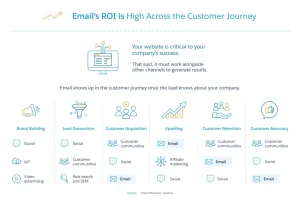
A blog article can be shared with newsletter subscribers. A social media campaign can encourage people to join an email list. A website can collect newsletter signups. Paid advertising can introduce a brand to new audiences, while email can help nurture people who have already shown interest.
This creates a connected digital marketing journey rather than treating every platform as a separate activity.
For example, a business might publish an informative blog, share it on social media, collect interested readers through a newsletter, and later send subscribers additional content related to the same topic.
The Human Side of Email Marketing
Technology can automate emails, but the communication itself should still feel human.
People do not want to feel like they are simply another number in a database. They want communication that respects their time and gives them something worthwhile.
This is why successful email marketing is not about sending the maximum number of emails. It is about sending the right message to the right audience at a suitable time.
A useful email can educate someone, answer a question, introduce a solution, or simply make a customer feel remembered. Those small interactions can gradually build familiarity and trust.
The Future of Email Marketing
Email marketing is continuing to evolve alongside artificial intelligence, automation, personalization, and changing customer expectations. Current industry guidance highlights areas such as smarter segmentation, AI-assisted workflows, mobile-first design, and privacy-conscious data practices as important developments.
However, technology does not replace the basic principle of good communication.
A beautifully automated campaign will still struggle if its content is irrelevant. Advanced personalization will not help if subscribers do not trust the brand. The strongest email strategies will continue to combine technology with creativity, useful information, good timing, and respect for the audience.
Conclusion
Email marketing is much more than sending promotional messages to a list of addresses. It is a way for businesses to create direct and ongoing communication with people who have chosen to stay connected with them.
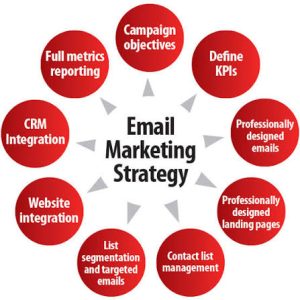
From building a quality subscriber list and creating useful content to using segmentation, personalization, automation, and performance analysis, every part of an email strategy contributes to the overall customer experience.
The most effective approach is not to focus only on selling. Businesses should focus on being useful first. When subscribers consistently receive relevant information, helpful content, and communication that respects their interests, an email list can develop into a valuable long-term relationship.
In a digital marketing environment where platforms and trends continue to change, email remains a practical channel for businesses that want to communicate directly, nurture relationships, and stay connected with their audience.
Frequently Asked Questions
1. What is email marketing?
Email marketing is a digital marketing method that uses email to communicate with an audience, promote products or services, share useful information, and build customer relationships.
2. Why is email marketing important for businesses?
It gives businesses a direct way to communicate with people who have chosen to receive their messages. It can support customer relationships, awareness, lead nurturing, and conversions.
3. How can a business build an email list?
Businesses can use website signup forms, newsletters, useful resources, registrations, and other permission-based methods to encourage interested people to subscribe.
4. What is email segmentation?
Email segmentation means dividing subscribers into relevant groups so that businesses can send more targeted and useful communication instead of sending exactly the same message to everyone.
5. What is email automation?
Email automation allows certain messages to be sent automatically when specific actions or conditions occur, such as a new subscriber joining a mailing list.
6. How can email marketing results be measured?
Businesses can monitor metrics such as deliveries, opens, clicks, unsubscribes, and conversions. These insights can help marketers understand campaign performance and improve future emails.